
-
April making this up is where we could promote events.
Mission: Provide compassionate and meaningful support to patients, deliver education to promote prevention, and offer resources to advance groundbreaking research for a cure.
Help promote awareness and raise the screening rate. We believe screening is the No. 1 way to stop this disease or catch it early.
Invest and advance funding in CRC research
Our Goal

Make a Donation
Every act of generosity—big or small—helps build a world that reflects our shared values. Your support moves us all closer to a brighter tomorrow.

Contact Us
Interested in working together? Fill out some info and we will be in touch shortly. We can’t wait to hear from you!

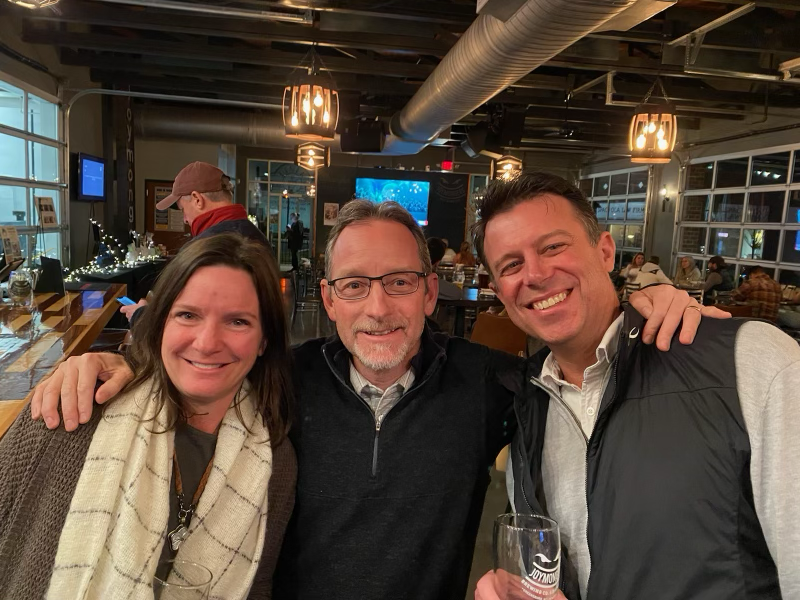
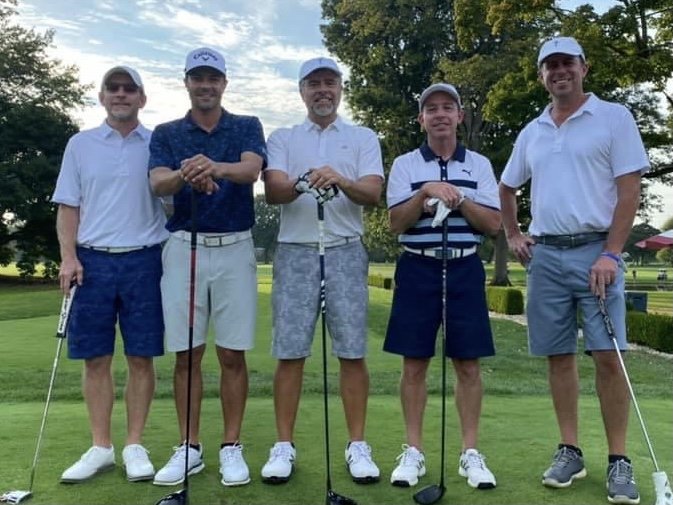

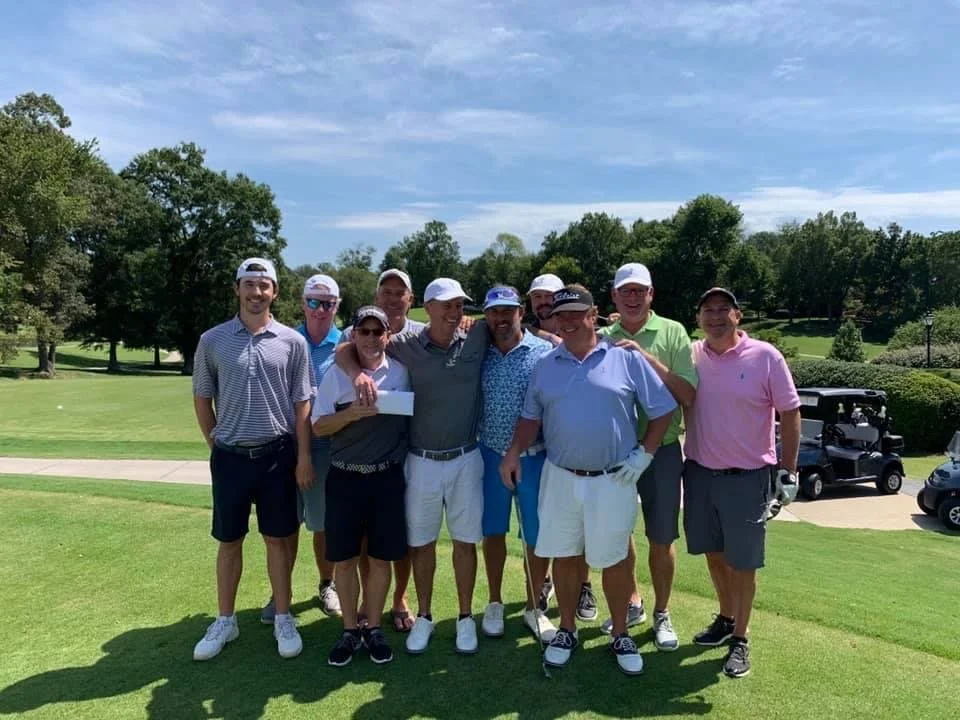
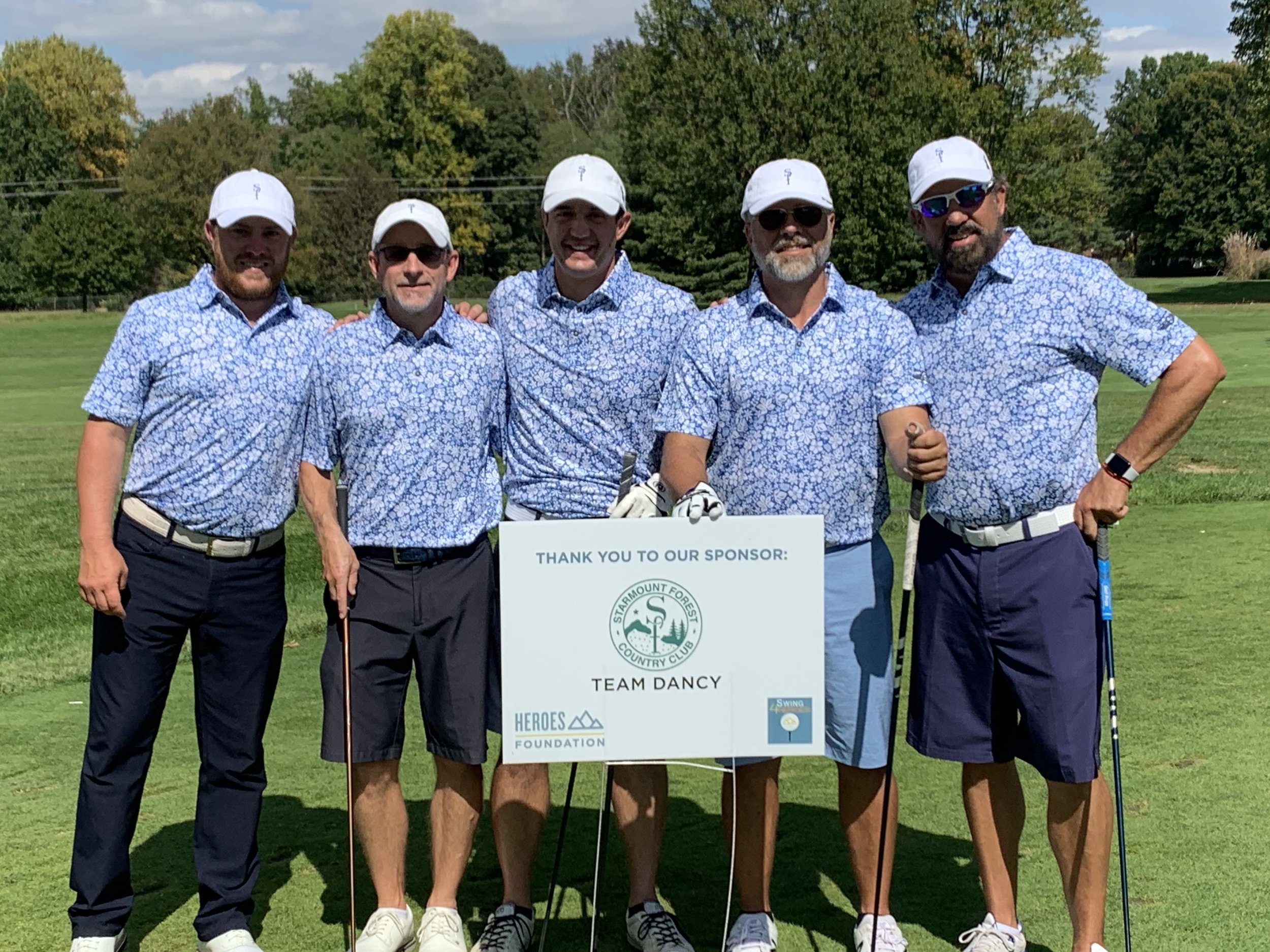

Brian Eric Dancy passed away June 5th, 2025 at the age of 54 from complications of colorectal cancer. Diagnosed 5 years ago in August, Brian’s positivity and joy of life certainly contributed to his extended time with us, along with the love and care he received from family, friends and his amazing medical community. He died the way he lived his life - humbly, compassionately, courageously, with gratitude and an unwavering sense of humor.
Brian was born in Raleigh, NC on November 14th, 1970 (along with his fraternal twin brother Timothy) to Larry Eugene Dancy and Judith Tyler Dancy. He lived most of his life in Greensboro, NC, with a few years spent on James Island, SC. He graduated from Grimsley High School in Greensboro in 1989 and the University of North Carolina - Greensboro in 1994 with a BS degree in Business and Economics.
Brian worked as Sales Manager in metal fabrication for 23 years before fulfilling his dream of owning his own business. He purchased United Metal Finishing in 2019 and was diagnosed with stage 4 cancer less than a year later. He successfully operated the business while undergoing countless treatments, chemo, radiation and surgeries until the sale of the business in 2023.
Brian was a warrior, never letting his illness get in his way of brightening another person’s day. He loved people more than anything (except maybe golf) and thrived on meeting new acquaintances and learning their stories, as much as he enjoyed the company of lifelong friends. He connected with all on a level that few achieve - with the ability to make you feel special and interesting, downplaying his own achievements and attributes. Brian’s bright blue eyes, big smile and familiar nature drew folks quickly into various circles of friends. He was honest, kind, loyal and unforgettably funny. He lived to make others laugh.
Brian sought to mentor youth by his work with Junior Achievement and EYC (Episcopal Youth Community). He wanted his positivity to be contagious and for others to take the same path in spreading goodness. He systematically gave advice to teenagers about staying in school and helping themselves with eyes on their futures. He was a member of St. Francis Episcopal Church, where he served in various roles.
Brian was a great golfer and loved the game tremendously, learning from his grandfather, Bob Dancy. The time he spent with golfing buddies and the travel he made for the game were highlights of his life. It was another avenue for him to meet people and make new connections. He was a member of Starmount Forest Country Club, where he served on the governing board and as President and a member of the Bald Head Island Club, where he played golf with both new and old friends. Brian also enjoyed travel, fitness, entertaining, cooking and grilling (at which he was a master), and his annual family fishing trip to Cape Lookout, NC.
Brian brightened the work week of the oncology staff and other cancer patients at both the Duke Cancer Center (Durham) and Moses Cone Cancer Center (Greensboro). He refused to let anything but positivity and friendliness rule his visits, thus becoming a welcoming light on his treatment days. With special love for their expertise, caring and diligent seek of disease solutions, the family would like to thank Dr. Peter J. Allen and Dr. Hope Uronis (Duke), Dr. Yan Feng and Lacie Burton, PA (Moses Cone), as well as their incredible support staffs, too many to name. Their dedication and warmth will always be remembered with love.
Brian is survived by his wife, caretaker, and best friend, Anna Daughtry Dancy; father, Larry Dancy (Linda) of Ravenel, SC; mother, Judith Dancy of Winston-Salem, NC; brothers, Timothy Dancy (Dawn) of Pittsburgh, PA and Paul Dancy of West Ashley, SC; brothers-in-law, John Daughtry of Goldsboro, NC and Robert Daughtry of Jackson Springs, NC; nephews, Luke, Caleb and Zachary Dancy of Pittsburgh, PA, Kilian Daughtry of Spartanburg, SC, Asher Dancy of West Ashley, SC, and niece, Lauren Grounds of Gastonia, NC. Also left to mourn Brian’s passing are his English Springer Spaniels Wilson and Walter of the home.
-
Colorectal cancer is a cancer that starts in the colon or rectum, which are parts of the digestive system. Unlike most cancers, colorectal cancer is often preventable with screening and highly treatable when detected early.
-
Colorectal cancer may not cause any symptoms, especially in its early stages. Some symptoms might be due to other causes like hemorrhoids, diarrhea, infection, or irritable bowel syndrome. Symptoms may include the following:
Rectal bleeding
Blood in or on your stool is a symptom of rectal cancer and colon cancer. The blood can be bright red, or the stool may be black and tarry or brick red.
Changing bowel habits
Changing bowel habits may include intermittent or constant diarrhea and/or constipation, a change in the consistency of your stool, or stools that are more narrow than usual.
Persistent abdominal discomfort
Abdominal discomfort may present as cramps, gas, or pain. You may also feel full, bloated, or like your bowel is not completely empty. Nausea and vomiting can also be symptoms.
Unexplained weight loss
A loss of weight for no known reason should always be investigated.
-
#4 - Colorectal cancer is the fourth most common cancer in the U.S. among men and women combined.
150K - Each year, about 150,000 Americans are diagnosed with colorectal cancer.
90% - With early detection, colorectal cancer has a 90% survival rate.
-
Colon cancer and rectal cancer are often grouped together because they have a lot in common – including symptoms -- but they are different, depending on where they originate.
-
Sidedness: right-side vs. left-side colorectal cancer
Knowing where your tumor is located and which biomarkers you have can help you and your doctor choose the most effective treatment for your specific colorectal cancer.
Side makes a difference: left vs. right
Understanding the physical structure of the colon and rectum can help you better understand your cancer diagnosis.
The colon and rectum are part of the large intestine (also called the small bowel), which is located at the end of the digestive system. The large intestine is a six-foot-long muscular tube that helps digest food and eliminate waste from the body.
The two sides
The right side of the colon includes the:
· cecum
· ascending colon
· hepatic flexure
The left side includes the:
· splenic flexure
· descending colon
· sigmoid colon
· rectum
The colon is divided into four sections
· The first section is the ascending colon. It extends from the small intestine to a pouch called the cecum. The ascending colon travels up the right side of the abdomen.
· The transverse colon is the second section, and it continues across the abdomen from the right side to the left side.
· The third section is the descending colon, which extends down the left side of the abdomen.
· The fourth section is the sigmoid colon. It is the last portion of the colon, and it connects to the rectum and anus.
-
Research suggests that there are biological differences between left-sided and right-sided colon cancers. This includes the biomarkers that are present on each side and the aggressiveness of the cancer. Patients with left-sided tumors typically have a better prognosis than those with right-sided tumors.
Make sure you know your biomarkers and where your tumor is located so that you and your doctor can choose the best treatment.
Right-side colorectal cancer characteristics
Colorectal cancer that starts on the right side (Cecum, Ascending Colon, Right Half of Transverse Colon, Hepatic Flexure)
· is seen more often in women and people over 65
· is diagnosed more frequently in African Americans
· often begins with flat, sessile polyps that go unnoticed until they are fairly large
· is usually diagnosed at a later stage
· often presents with symptoms such as anemia and bleeding
· is associated with Lynch syndrome
· has a higher occurrence of mucinous tumors, BRAF-mt or KRAS-mt mutations, MSI-H
· responds well to immunotherapy
Left-side colorectal cancer characteristics
Colorectal cancer that begins on the left side (Splenic Flexure, Descending and Sigmoid Colon, Left Half of Transverse Colon, Rectosigmoid and Rectum)
· occurs more often than right-sided colorectal cancers
· is seen more often in men and in people under 65
· has tumors that grow along the wall of the colon
· often presents with constipation, narrow stools, and other bowel habit changes
· causes bowel obstructions more often than right-sided colorectal cancer
· is usually diagnosed in its early stages
· is associated with FAP (familial adenomatous polyposis)
· has a higher occurrence of HER2 amplifications
· overall better prognosis than right-sided tumors
· responds better to standard chemotherapy and targeted therapies
-
Colorectal cancer is the second deadliest cancer in the United States. Yet it's one of the few cancers that's preventable. Screening for colorectal cancer is the No. 1 way you can prevent colon cancer and rectal cancer. They're also highly treatable if caught early. That’s why on-time screening is essential and lifesaving.
-
Most people should begin colorectal cancer screenings at age 45, according to the latest recommendations from the American Cancer Society. If you have a family history of colorectal cancer or other risk factors, you may need to be screened earlier than 45. Speak with your healthcare provider about developing a screening plan for you. They can recommend when and how you should be screened.
-
There are several options for screening for colorectal cancer. You and your doctor can choose which one is best for you.
1. Colonoscopy
A colonoscopy is considered the gold standard in colorectal cancer screening. It allows the doctor to identify and remove polyps (growths that can turn into cancer) in the same procedure.
While colonoscopy is the most effective screening exam for colorectal cancer, there are screening kits you can do from the comfort of your home.
Colonoscopy and at-home tests are not the only options. There are several other methods to screen for colorectal cancer, and each method has its own pros and cons.
-
Preparing for your colonoscopy can be a daunting experience. Good prep ensures your doctor will have a clear look at your colon, which leads to stronger results. Find out what to do each day before your colonoscopy.